Dalit Woman’s Protest in Nepal Highlights Persistent Housing Discrimination
Report from Kathmandu, Nepal —
A Dalit woman has been staging a continuous public protest in Nepal’s capital city for nearly two weeks, drawing national attention to entrenched caste-based discrimination in urban housing.
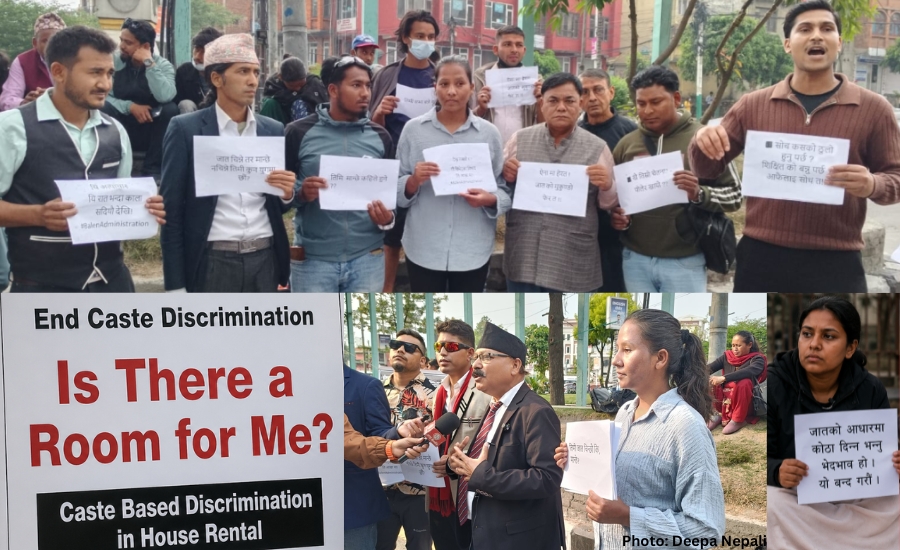
Deepa Nepali is a Contributor, originally from Kailali district in western Nepal, says she was repeatedly denied rental accommodation in Kathmandu after landlords learned of her caste. In some instances, she alleges, she was evicted shortly after her identity became known. Since then, she has been holding a sit-in protest at Maitighar Mandala, Kathmandu a well-known civic demonstration site in the capital.
Her case has sparked renewed debate about the persistence of caste-based exclusion in Nepal, a country whose constitution formally guarantees equality and prohibits untouchability.
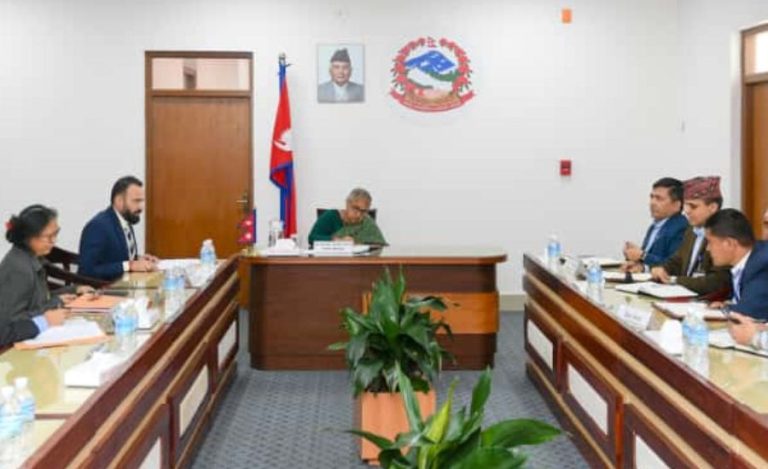
Nepal’s National Dalit Commission has publicly backed her protest. Senior officials, including the commission’s chairperson, visited the protest site and pledged to push for accountability and a formal investigation into allegations of discrimination. They also signaled plans to press the government to take stronger action against caste-based abuses, including those linked to housing.
Key Demands of the Protest
- Criminalize and strictly enforce laws against caste-based and all forms of discrimination in rental housing.
- Immediately adopt and implement a “Zero Tolerance” policy against caste discrimination and untouchability.
- Ensure equal and non-discriminatory access to housing for all citizens, including Dalits, Madhesis, persons with disabilities, and other marginalized groups.
- Eliminate all forms of discrimination and untouchability across every sector of social life.
- Amend the Caste-Based Discrimination and Untouchability (Offence and Punishment) Act, 2011 to introduce stronger penalties and stricter enforcement mechanisms.
- Regulate the rental market and taxation system to prevent excessive rent increases, arbitrary practices, brokerage exploitation, and monopolistic control.
- Develop and effectively implement comprehensive and unified legislation for the empowerment and overall development of Dalit communities.
- Establish an integrated legal framework to ensure the full implementation of constitutional rights, including those guaranteed under Article 40 of Nepal’s Constitution.
- Take strict legal action against landlords who discriminate on the basis of caste in renting rooms or housing in urban areas.
Support has also come from civil society groups and representatives connected to the Ministry of Women, Children and Senior Citizens, who have called for justice and systemic reform.
Nepali has vowed to continue her protest until concrete action is taken. Framing her campaign around the question, “Is there a room available for me?”, she says her experience reflects a wider, normalized practice where prospective tenants are screened based on caste identity.
Despite legal protections under the Caste-Based Discrimination and Untouchability (Offence and Punishment) Act, enforcement remains inconsistent, according to activists. Advocacy groups argue that discrimination in rental housing is widespread but rarely reported due to fear, stigma, and lack of effective legal remedies.
Among her demands, Nepali is calling for:
- Stronger enforcement of anti-discrimination laws in the housing sector
- A “zero tolerance” policy toward caste-based bias
- Legal reforms to ensure equal access to housing for marginalized groups, including Dalits, Madhesi, and persons with disabilities
- Greater regulation of rental practices to prevent exploitation and informal discrimination
Her protest has become a focal point for broader concerns about social inequality in Nepal’s rapidly urbanizing areas, where economic opportunity often coexists with deeply rooted social hierarchies.
Observers say the case underscores a gap between constitutional guarantees and lived realities, raising questions about how effectively Nepal’s legal framework protects vulnerable communities in everyday life.