Trick or trust? Spot cyber fraud fast
It warns of an issue with her benefits.
The message tells her to click a link, verify her personal information and enter a code to “avoid delays” in her payment.
There’s just one problem: The link leads to a fake website intended to steal her login details, other sensitive information and her benefits.
Before Mary acts, she pauses. She checks to see if the message is real by contacting the VA office associated with the topic of the communication she received.
This story depicts a real-life fraud attempt dressed up as urgency. Unfortunately, it happens often to real Veterans.
Cyber fraud is a growing risk.
It can hurt Veterans, their families and their caregivers.
It leads to stolen data and benefits that Veterans have honorably earned. Fraudsters often want your personal information, or access to the systems that hold your benefits, so they can use them for personal gain.
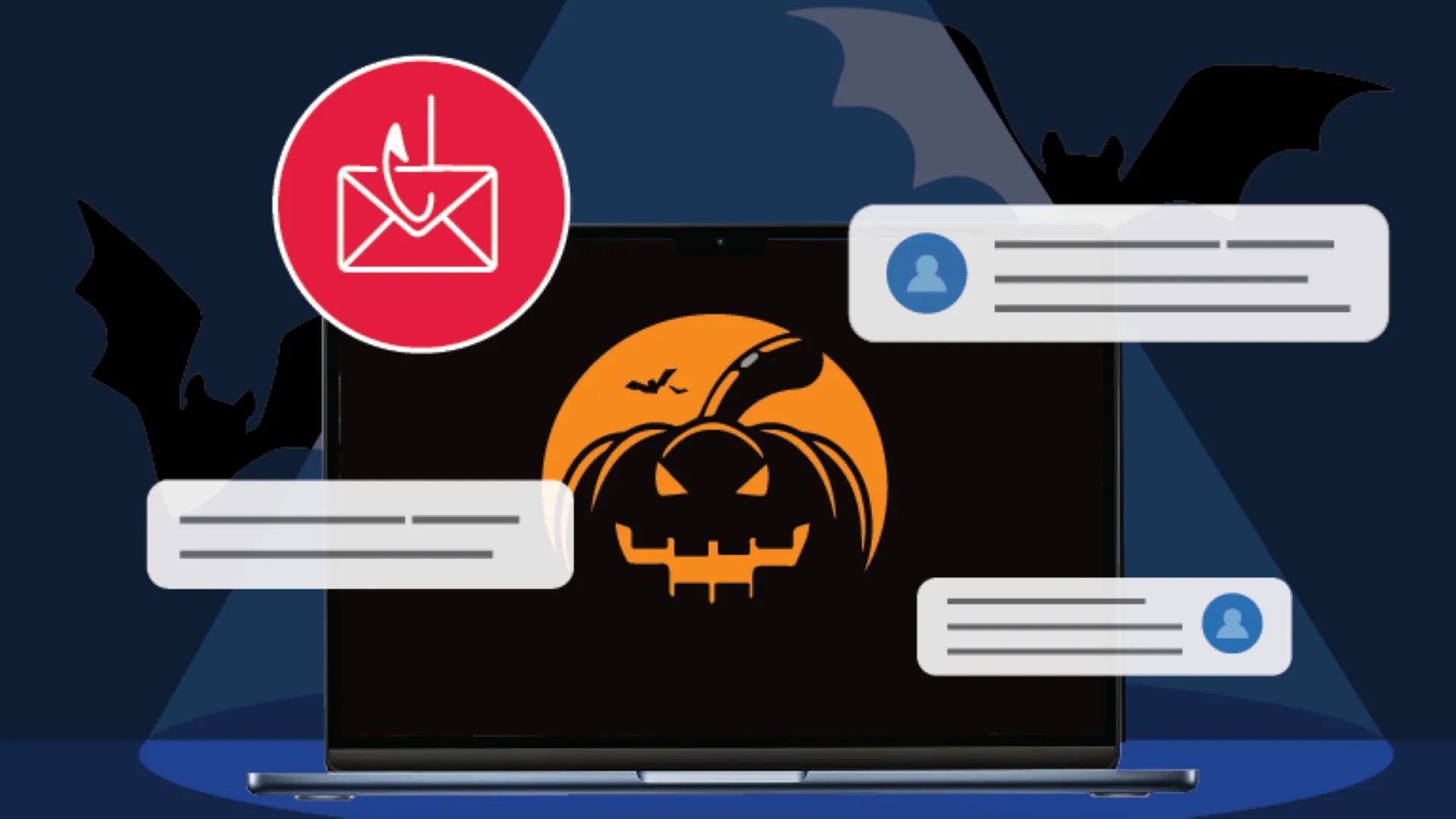
Cyber fraud includes phishing emails, fake websites, stolen passwords, and deepfake audio or video calls or recordings.
A scammer may pretend to be a VA official, a manager, a doctor or nurse, a bank representative, another Veteran, or a friend or family member.
Deepfake phishing and social engineering
Phishing and other scams
Fraud prevention starts with awareness. Bookmark and regularly check VA’s Cybersecurity Spot and VA’s protect your identity and benefits webpage for cyber safety tips, resources and guidance.
Make these cyber habits routine: Use multi-factor authentication.
Keep software updated. Avoid sharing logins when you can.
The fewer doors there are, the fewer chances fraudsters have to get in.
Share access to your accounts only when you truly need to, and only with people you trust.
Check your accounts often and remove access for anyone who no longer needs it.
Use multi-factor authentication.
Keep software updated.
Avoid sharing logins when you can.
The fewer doors there are, the fewer chances fraudsters have to get in.
Share access to your accounts only when you truly need to, and only with people you trust.
Check your accounts often and remove access for anyone who no longer needs it.
Share access to your accounts only when you truly need to, and only with people you trust.
Check your accounts often and remove access for anyone who no longer needs it.
For scams related to VA health care, call 866-842-4357
For scams related to VA benefits, call 833-388-7233
For scams not related to VA, call the Federal Trade Commission at 877-382-4357 or visit reportfraud.ftc.gov .
To learn more about protecting your data, review VA’s informational articles on cybersecurity tools and resources . You can also learn how to protect your benefits from fraud .
The goal is simple: Spot fraud early and stop it quickly.
Think first.
Pause.
Verify.
Report.
Learn from every incident.
Stay informed on the latest tactics scammers use and how to identify and avoid them.
Turn the tables on fraudsters with your own bag of tricks.
Cyber Month 2026 Deepfake Phishing Office of Information and Technology
Source: U.S. Department of Veterans Affairs. Distributed via BLINK Wire. Original release