EU convenes first space-technology dialogue for disaster management
The European Commission has convened an international dialogue to expand the use of space technologies in managing natural disasters. The initiative, held on the occasion of the International Day for Disaster Risk Management, marked the start of a process to strengthen international cooperation in anticipating, preparing for and responding to disasters.
The first cross-regional dialogue, titled “From Space to Grassroots: Strengthening Community Resilience to Natural Hazards through Space Technologies”, identified opportunities for closer cooperation among partners worldwide. These include improving early warning systems, sharing satellite data and expertise, and strengthening national and local response capacities, particularly in vulnerable communities.
Space services support disaster management across all phases: preparedness and prevention through forecasts and early warnings; emergency response through mapping; and recovery assessments following disasters. Satellite data also feeds into information systems used by authorities in Europe and worldwide.
Discussions between Andrius Kubilius, Commissioner for Defence and Space, and Hadja Lahbib, Commissioner for Preparedness and Crisis Management, resulted in a document titled the “Compass on Space and Disaster Risk Management”. The document emphasises the need to translate data into actionable information and to expand capacity to anticipate and mitigate disaster impact through partnership across borders and between local, national and international bodies.
The dialogue brought together Kamal Kishore, UN Special Representative for Disaster Risk Reduction; Thomas Byrne, the Irish Minister of State for European Affairs and Defence; and representatives of disaster risk management organisations from Latin America and the Caribbean, Asia and Africa.
The European Union operates several space systems for disaster management, including Copernicus (its Earth observation system), Galileo (its Global Navigation Satellite System), GOVSATCOM, and IRIS², an upcoming secure satellite communications system. The EU also maintains early warning and information systems including the European Forest Fire Information System, the European Flood Awareness System and the Global Disaster Alert and Coordination System.
Source: European Commission, licensed under CC BY 4.0 (Commission Decision 2011/833/EU). Changes may have been made. Distributed via BLINK Wire. Original release
Most read
 Bell Bay Aluminium Secured with $200 Million Government Support Package
 Melbourne Children’s Hospital Investigates Possible Staff Exposure to Chemotherapy Chemicals
 Preston Market redevelopment plan proposes about 900 apartments
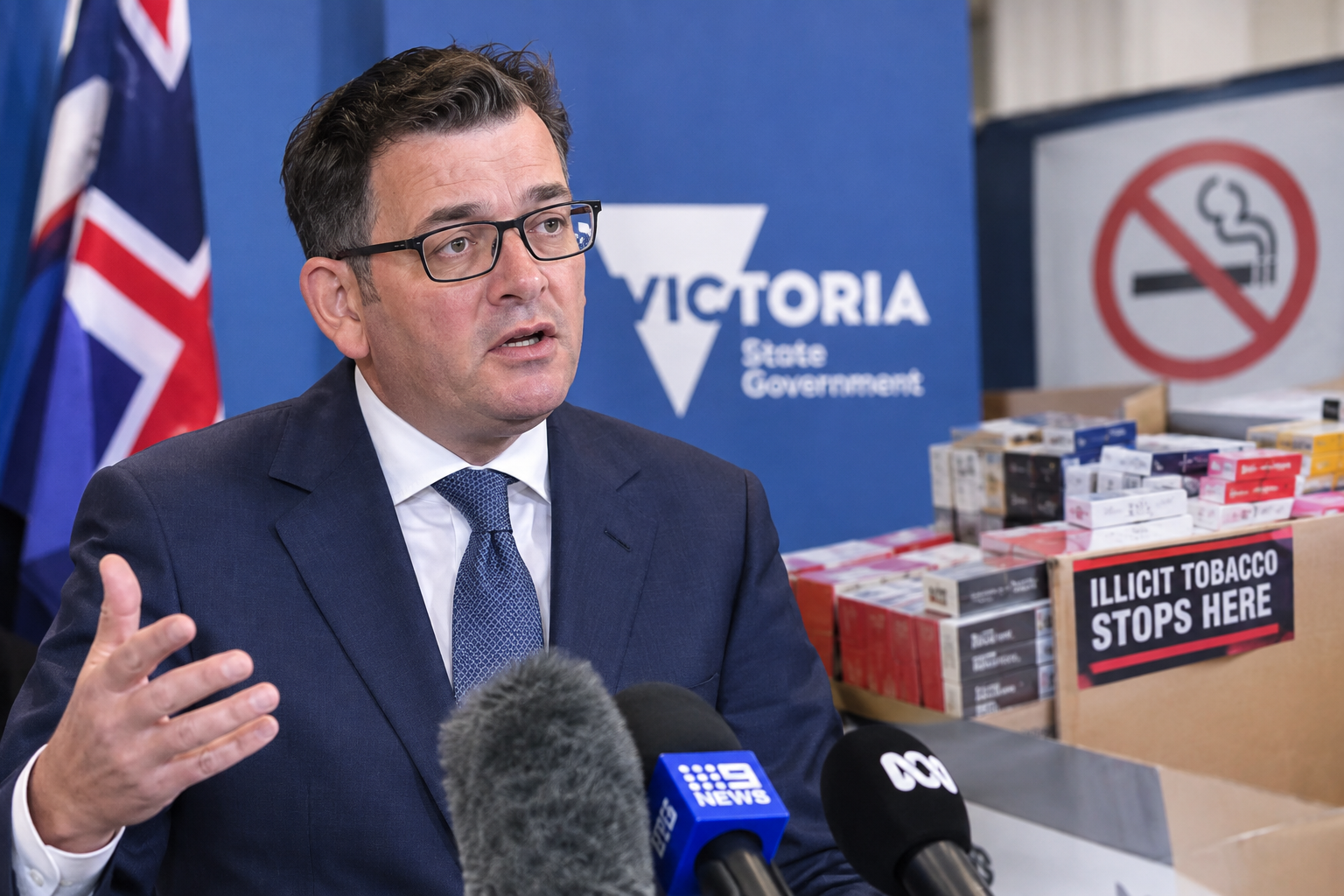 Victoria’s illicit tobacco crackdown came too late, premier admits
 Albanese Defends Housing Tax Changes, Says Reforms Aim to Help First Home Buyers