Inquiry Recommends Ongoing Increase in Base Funding for National Science Agency
A Senate Economics References Committee inquiry into the funding and resourcing of CSIRO has recommended an ongoing increase in the agency’s base funding, according to the Chair’s report, which outlined six key recommendations.
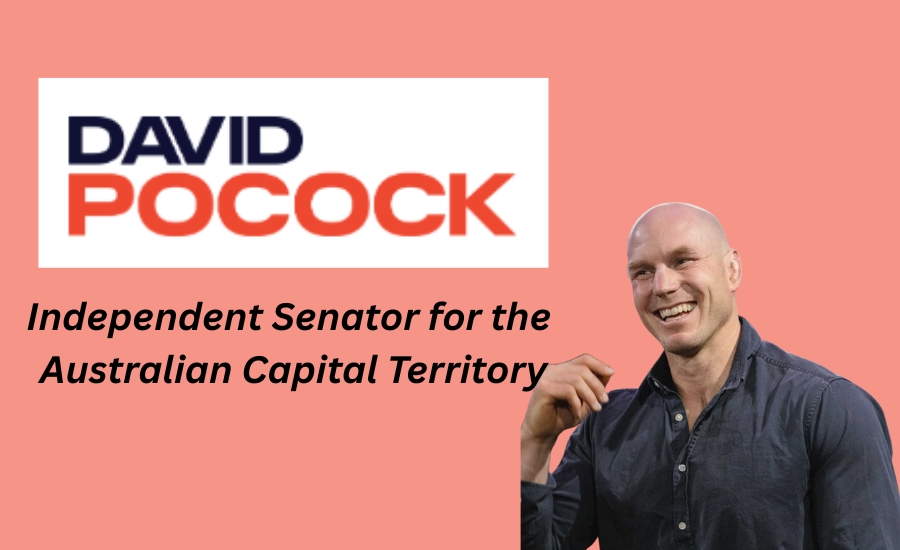
The inquiry was established in November last year through a joint motion coordinated by David Pocock, with support from fellow senators. In additional comments, Senator Pocock was reported to have gone further by advocating for a permanent increase in CSIRO’s base appropriation alongside the committee’s recommendations.
It was noted that Senator Pocock’s campaign to protect the agency and prevent further job losses had attracted significant public backing, including a petition with more than 22,000 signatures. He was said to have highlighted that CSIRO employs over 1,000 people in the ACT and had experienced substantial job cuts due to ongoing underfunding by successive governments.
Evidence presented to the inquiry indicated particular concern about the Environment Research Unit, with Professor Nathan Bindoff reported to have stated that the unit, representing around 12 per cent of the workforce, had borne approximately 43 per cent of the job cuts. Senator Pocock was said to have called for these reductions to be halted and reassessed.
The senator also emphasised the need for the Albanese Government to respond decisively to the Strategic Examination of Research and Development released in March. It was suggested that CSIRO’s Statement of Expectations should be updated to reduce reliance on cost-recovery targets in areas classified as public-good research or protected sovereign capabilities. Additionally, it was argued that the statement should explicitly recognise research that serves the public interest but cannot be easily commercialised.
The report noted that federal investment in CSIRO, on a per capita basis, is now less than half of what it was in the 1980s, while research costs have increased significantly. It was argued that this funding gap had contributed to workforce reductions, despite growing demand for scientific research to address national and global challenges.
Senator Pocock was also reported to have proposed increasing government revenue through a 25 per cent tax on gas export revenues, suggesting that such a measure could support long-term investment in scientific capabilities. It was noted that the $252.3 million funding increase allocated to CSIRO in the 2026–27 Budget was relatively small in comparison to the potential revenue from such a tax.
According to the inquiry, CSIRO had identified a need for an additional $80 to $135 million annually over the next decade to invest in essential infrastructure and technology. This was described as a minimum requirement to address existing funding gaps.
Further submissions, including from the Australian Academy of Science, indicated that Australia’s gross expenditure on research and development stands at 1.69 per cent of GDP, below the OECD average of 2.7 per cent. Government budget allocation for R&D was also reported to be lower than the OECD benchmark, highlighting a significant funding shortfall.
The inquiry also pointed to the economic value of investing in CSIRO, with internal modelling suggesting that every dollar invested returns approximately $8.80 to the economy, compared to an average return of $3.50 for general R&D investment.
In addition, Senator Pocock was said to have called for reforms to CSIRO’s procurement practices and greater transparency regarding consultancy spending. He reportedly urged the full release of documents and outputs produced by McKinsey & Company as part of engagements conducted in 2021–22 and 2022, arguing that public funds should be subject to appropriate scrutiny.
Source: The senator/Media