Qatar Airways Returns to Canberra, Strengthening International Connectivity and Tourism
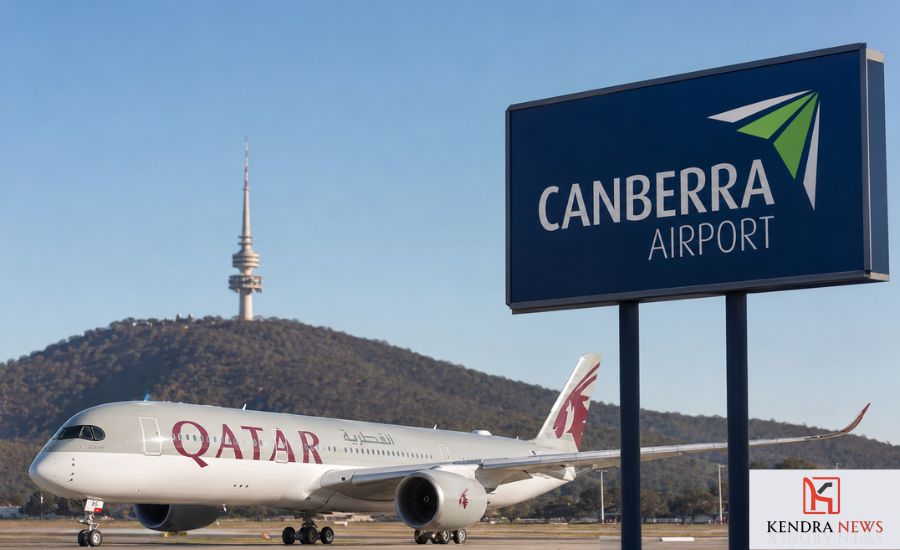
The return of Qatar Airways to Canberra from December 2026 marks a significant milestone in restoring the ACT’s international aviation network, providing travellers with greater choice and reconnecting the national capital to one of the world’s largest global airline networks.
The airline will initially operate four flights per week, with services increasing to daily flights from March 2027. The phased expansion reflects a practical and sustainable approach to rebuilding international capacity while responding to growing demand for travel to and from Canberra.
The resumption of Qatar Airways services is expected to play a key role in strengthening Canberra’s international connections and supporting a steady increase in inbound tourism, particularly from Europe, the Middle East, Asia and other global markets accessible through the airline’s extensive network.
Improved international access will create new opportunities for the ACT’s tourism, hospitality and events sectors, while also benefiting business travel, international education and families visiting friends and relatives across Canberra and the surrounding region.
For international visitors, easier access to Canberra makes it more attractive to include the national capital as part of their Australian itinerary. This supports the broader goal of dispersing international visitors beyond Australia’s traditional gateway cities, contributing to more balanced and sustainable growth across regional visitor economies.
The return of Qatar Airways also complements Canberra’s expanding international aviation network, joining recently announced services to Bali and existing international connections with Fiji. Together, these services enhance the capital’s global connectivity, improve travel flexibility, and provide increased competition and choice for passengers.
As Canberra continues to rebuild its international aviation sector, the return of Qatar Airways represents an important investment in the region’s economic future, helping to drive tourism growth, strengthen global business and education links, and position the national capital as an increasingly accessible destination for international travellers.