Economists question Coalition plan to cut taxes and return Victoria to surplus

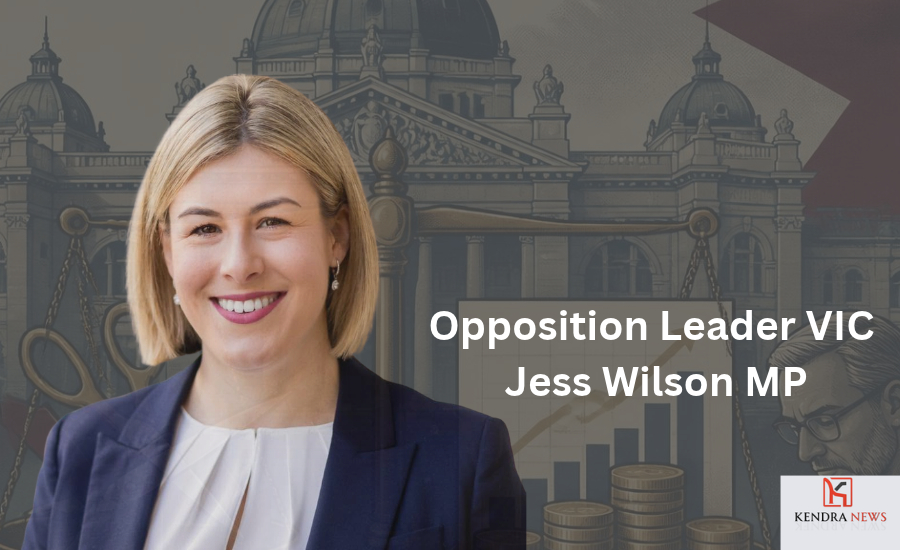
Economists have questioned whether the Victorian Coalition can cut several state taxes and still return the budget to surplus, five weeks before the 28 November election. Opposition Leader Jess Wilson has promised to replace the emergency services volunteers fund with the former fire services property levy, cut land tax, remove payroll tax on private schools and abolish stamp duty for first-home buyers.
The Coalition says it would return the budget to a cash surplus by 2032, funded in part by a 10-year freeze on public service hiring, a pause on the Suburban Rail Loop and an “end waste” plan. Ms Wilson said the opposition had announced more than $24 billion in savings. “Only my team has a credible plan to actually see this budget repaired,” she said. “Labor have announced no significant savings.”
What the numbers show
RMIT professor of public policy David Hayward analysed the Coalition’s announcements and identified $6.4 billion in spending cuts and $3.4 billion in new spending. He estimated the tax cuts would cost about $7 billion over four years, leaving a $9 billion hole in the state’s finances.
“It’s all contradictory,” Professor Hayward said. “The budget picture is not very good at all, and it gets worse.”
He said the opposition needed to be clear about how it would reduce debt. Professor Hayward also described the savings expected from the “end waste” plan as “small beer” against a state budget worth more than $100 billion. That plan includes recovering money from the Big Build program, where one estimate put losses to corruption at $15 billion.
Calls for fiscal rules
Independent economist Saul Eslake said Ms Wilson needed to “come clean” on her plans, and that the state required a combination of spending cuts and revenue increases rather than tax cuts alone. He rejected the suggestion that the state’s accounts had been manipulated.
“I think it’s simply wrong to suggest that the books have been cooked,” Mr Eslake said.
Mr Eslake urged the Coalition to adopt fiscal rules, such as debt targets and caps on expenditure growth, so that its commitments could be measured against a published standard. Victorian Chamber of Commerce and Industry acting chief executive Amelia Bitsis said Victoria could not “spend its way out of a debt problem”.
The Suburban Rail Loop
The Coalition’s plan to pause the Suburban Rail Loop would affect a project where tunnelling is already under way and $7 billion has been spent. The Coalition has not said what would happen to work already contracted or to the money already committed. Victorians go to the polls on 28 November. Enrolment closed at 8pm on 3 November.
Sources
- “Economists question Victorian Liberal plan to deliver surplus while cutting taxes”, ABC News, 19 October 2026
- Professor David Hayward, School of Global, Urban and Social Studies, RMIT University
- Saul Eslake, independent economist
- Amelia Bitsis, acting chief executive, Victorian Chamber of Commerce and Industry
- Jess Wilson, Leader of the Opposition
- Victorian Electoral Commission, 2026 state election
Most read
 Card Payment Surcharges to End Across Australia from 1 October
 NSW Expands Paid Internship Program Across Creative Industries
 Nearly 2 million Quest customers affected by data breach
 Goodwin Aged Care Services to repay $1.39 million after employee underpayments
 NDIS watchdog closes only one in three complaints on time as backlog nears 13,000