Nepal Parliament Passes Controversial Rule Shielding MPs from Automatic Suspension in Corruption Cases
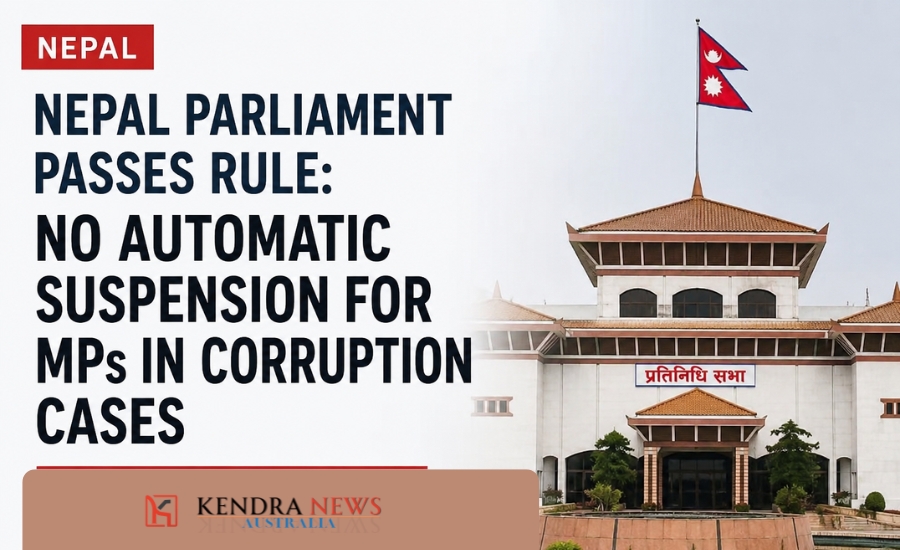
Kathmandu — Nepal’s House of Representatives has approved a new parliamentary rule that prevents members of parliament from being automatically suspended when they face charges of corruption or money laundering, sparking criticism from opposition parties and governance advocates. Under the newly introduced Rule 259 of the House Regulations, lawmakers will retain their parliamentary status even if criminal charges related to corruption or financial crimes are filed against them. The rule classifies such matters as internal parliamentary affairs. The amendment also grants the Speaker of the House final authority to interpret the provision, with decisions declared non-justiciable—meaning they cannot be challenged in court.
The decision has drawn political attention due to its perceived connection with earlier high-profile cases, including that of Rabi Lamichhane, who was previously suspended from parliament after money laundering and other charges were filed against him in 2024. His suspension had been issued by the parliamentary secretariat under existing legal provisions before a court later dismissed the money laundering charge.
Opposition lawmakers argue the new rule effectively weakens accountability mechanisms. They claim it conflicts with Nepal’s existing anti-money laundering framework, which allows for automatic suspension of public officials once charges are formally filed.
During parliamentary proceedings, Nishkal Rai questioned the need for special protection for MPs in corruption-related cases, while Basana Thapa urged that the proposed amendments be referred to committee for detailed review.
Despite these objections, Speaker Dol Prasad Aryal proceeded with a vote on the amendments. Opposition members protested inside the chamber, briefly disrupting proceedings.
Following a short suspension of the session, the House reconvened under heightened security, and the rule was passed by a majority vote.
The opposition has condemned the decision, warning it could undermine anti-corruption enforcement and reduce public accountability for elected officials.
News Publication source: Nepallead.com